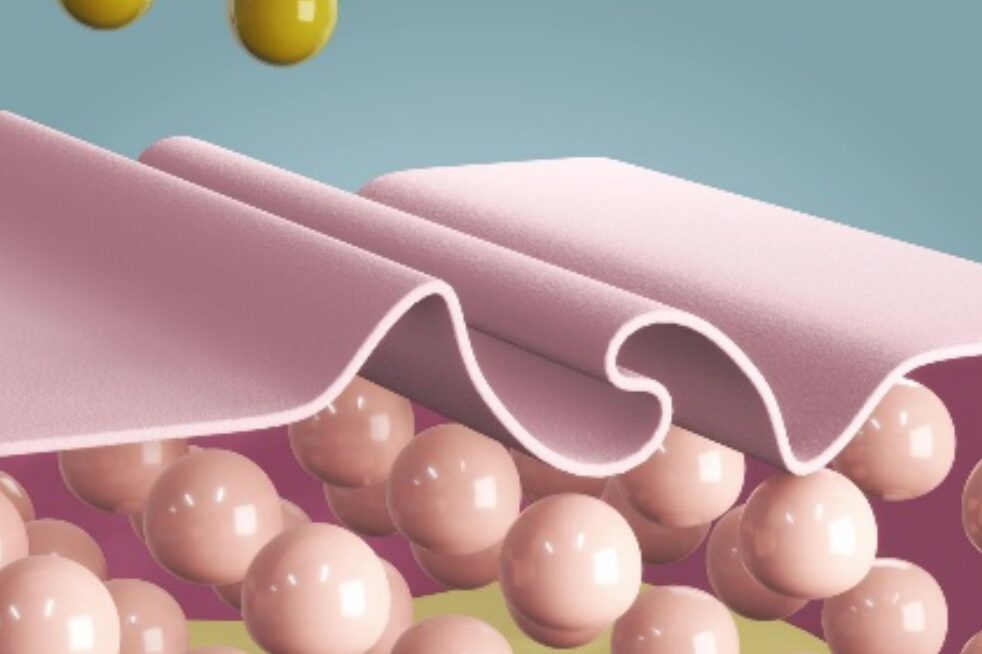
Before exploring how PDRN works in the body to produce its excellent regenerating effects, one must learn about skin aging. Aging is a part of life, and how our bodies works, so it is undoubtedly an inevitable process. However, with advancements in research and technology, there are now ways to delay the skin’s aging process.
Skin Aging
The skin aging process is classified into two types of mechanisms: intrinsic and extrinsic. When intrinsic skin aging occurs, it decreases the production of fibroblasts, thus reducing the ability of the extracellular matrix (ECM) to synthesize collagen and elastin. Extrinsic skin aging occurs during prolonged exposure to harmful external factors such as UV radiation that can trigger inflammatory responses. As a result, the skin presents with age spots, hyperpigmentation, loss of skin elasticity, blackheads, comedones, acne scars, and more prominent facial wrinkles and lines.
What is PDRN’s Mechanism of Action?
Although PDRN mainly contains DNA, it does not transfer or modify genetic information as it works as a “repair agent” to only restore damaged nucleotides in the dermal layer of the skin. Applying PDRN to aging skin can produce beneficial effects that reverse the results and promote a youthful appearance. PDRN activates the adenosine A2A receptor, which targets and controls the oxidative process of the skin cells, regulating the inflammatory response and improving tissue repair and healing.
As PDRN is administered, it inhibits the production of metalloproteins that cause the premature aging of skin cells and hinder melanin synthesis, thus preventing the formation of dark spots and facial creases. PDRN also increases the expression of the vascular endothelial growth factor (VEGF), the master regulator of angiogenesis (the formation of new blood vessels), improving the skin’s tissue repair properties.
How Polynucleotide (PN) Works
Polynucleotide (PN) injections work through a multi-layer regenerative process that goes beyond the mechanisms of PDRN. There may be similarities between how PN and PDRN work, but it is important to differentiate to make the right choice in achieving certain aesthetic skin goals of glowing, vibrant, and healthier skin.
Dermal Scaffold Formation
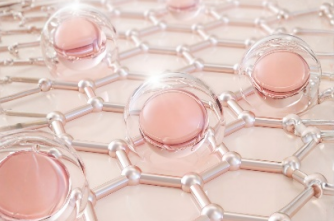
PN forms a 3D biological scaffold within the dermis. This structure supports fibroblasts and creates an optimal environment for tissue repair and regeneration.
Difference from PDRN: PDRN stimulates repair through cellular signaling, while PN provides physical structural support for long-term regeneration.
Fibroblast Activation & Collagen Production
PN activates fibroblasts, increasing collagen and elastin synthesis. This leads to improved skin firmness, elasticity, and thickness.