PDRN vs PRP: Which Skin Rejuvenation Treatment Is Better?
The CMS editor is a rich text field — it won't accept raw HTML or Markdown, and the images from the Word doc are embedded objects, not standalone files I can extract cleanly for you to re-upload inline.
The most practical approach: paste the text content section by section, then upload images manually via the toolbar's image button.
Here's the full article formatted for clean copy-paste, with image placement markers and the table structured for easy recreation:
The demand for regenerative aesthetic medicine has grown rapidly as patients seek treatments that improve skin quality naturally rather than simply masking signs of aging. Among the leading options are Polydeoxyribonucleotide (PDRN) therapy and Platelet-Rich Plasma (PRP), both of which aim to stimulate the body's own healing processes for healthier, more youthful skin.
While PDRN and PRP are often mentioned together, they are not the same. They come from different sources, work in different ways, and may feel different during treatment. They can also be better suited for different skin concerns, depending on what a person wants to improve.
In this guide, we'll take a closer look at how PDRN and PRP compare so you can better understand which treatment may be the right fit for different skin rejuvenation goals.
What Is PDRN?
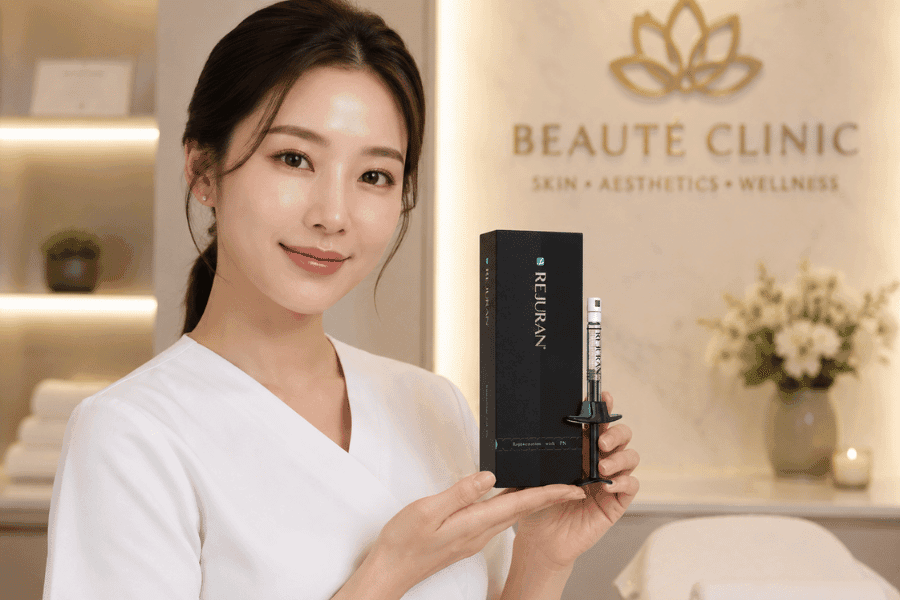
PDRN, or Polydeoxyribonucleotide, consists of purified DNA fragments that are commonly derived from salmon species under highly controlled manufacturing processes. These nucleotides are biocompatible and are designed to support tissue repair, reduce inflammation, and stimulate skin regeneration.
Unlike traditional fillers that primarily add volume, PDRN works at the cellular level by encouraging fibroblast activity, improving microcirculation, and supporting collagen production. The result is gradual improvement in skin texture, elasticity, hydration, and overall skin health. Many Korean aesthetic clinics have embraced PDRN as part of their regenerative treatment protocols because it focuses on improving skin quality from within.
What Is PRP?
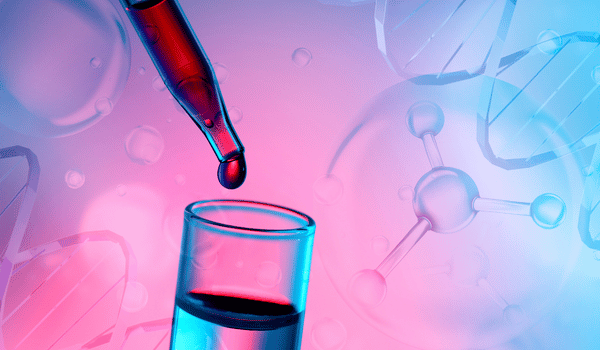
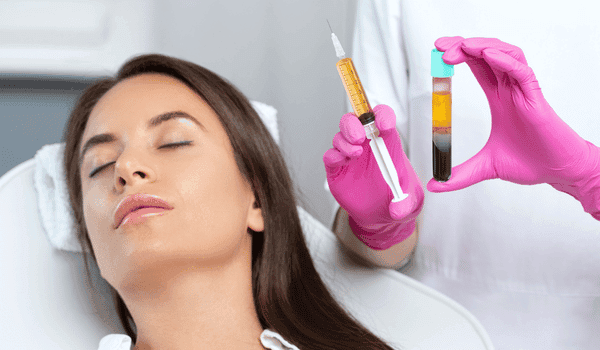
Platelet-Rich Plasma (PRP) is an autologous treatment, meaning it uses the patient's own blood. During the procedure, a small blood sample is collected and processed through centrifugation to separate and concentrate platelets.
These concentrated platelets contain numerous growth factors and signaling molecules that promote tissue repair and collagen remodeling. The PRP is then injected or applied after microneedling to stimulate natural healing responses. Because PRP originates from the patient's own blood, it eliminates concerns about foreign materials while harnessing the body's intrinsic regenerative capabilities.
How Do PDRN and PRP Work?
Although both treatments aim to support skin repair and renewal, they do so in different ways. Understanding how each one works can make it easier to see why they may suit different skin concerns.
How PDRN Works
PDRN works by supporting the skin's natural repair process at a cellular level. It helps encourage tissue healing, supports new cell activity, and creates a healthier environment for the skin to recover from damage or stress.
Over time, this can help improve skin texture, elasticity, and overall skin quality, especially for people looking for gradual and natural-looking rejuvenation.
How PRP Works
PRP works in a different way by using platelets taken from the patient's own blood. These platelets contain natural growth factors that help signal the skin to repair, rebuild, and produce more collagen.
Because of this, PRP is often used to support healing, improve skin firmness, and encourage tissue renewal, making it a popular choice for people who want to boost their skin's natural regenerative response.
Key Differences Between PDRN and PRP

Benefits of PDRN vs. PRP
Many practitioners choose PDRN because of its ability to improve overall skin quality with relatively little downtime. Potential benefits include:
Enhanced skin hydration
Improved elasticity
Softer fine lines
Better skin texture
Support for collagen production
Reduced appearance of acne scars
Calmer post-inflammatory skin
Faster recovery following certain aesthetic procedures
Because PDRN supports tissue repair, it is often incorporated into comprehensive anti-aging treatment plans.
On the other hand, PRP has earned popularity due to its use of the body's own regenerative resources. Advantages may include:
Natural stimulation of collagen production
Improved skin tone and texture
Enhanced wound healing
Reduction in acne scar appearance
Better skin vitality
Minimal concern about foreign substances
Compatibility with microneedling and laser treatments
PRP has also been used in hair restoration and certain orthopedic applications beyond aesthetics.
Which Treatment Produces Faster Results?

Some patients notice improvements in hydration and skin glow relatively soon after PDRN treatment, while collagen remodeling continues gradually over several weeks.
PRP similarly produces progressive improvements rather than immediate dramatic changes. The regenerative effects develop as tissue remodeling occurs.
For both treatments, a series of sessions often produces more noticeable and longer-lasting improvements than a single procedure.
Which Treatment Is Better for Anti-Aging?
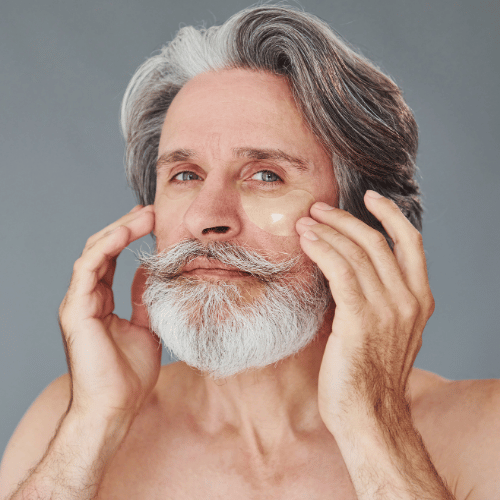
When it comes to anti-aging, PDRN can be a good option for people who want to improve overall skin quality, not just soften visible lines. Because it supports tissue repair and helps strengthen the skin barrier, it may be especially helpful for skin that looks tired, dull, or stressed.
PRP is also widely used for anti-aging because it encourages collagen production using growth factors from the patient's own blood. This makes it appealing for those who prefer a treatment that comes entirely from their own body. In the end, the better choice depends on the person's skin condition, goals, comfort level, and the recommendation of a qualified practitioner.
Which Treatment Is Better for Acne Scars?
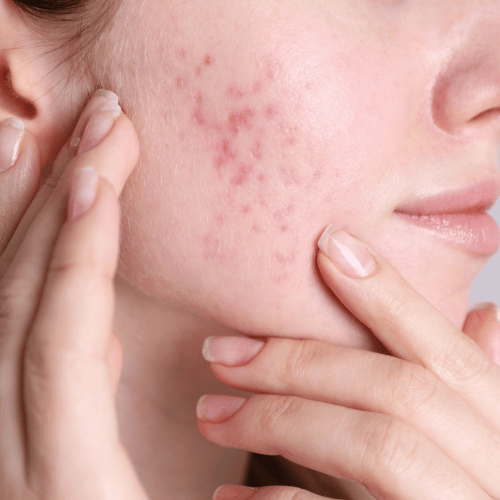
For acne scars, both PDRN and PRP may help because they support collagen remodeling, which is an important part of improving skin texture over time.
PDRN may be useful for skin that needs repair and calming, especially when inflammation or skin damage is part of the concern. PRP, on the other hand, helps stimulate renewal through the growth factors released by the patient's own platelets.
In many cases, clinics combine these regenerative treatments with procedures such as microneedling, fractional lasers, or subcision to create a more complete acne scar treatment plan.
Which Treatment Is Better for Sensitive Skin?

For sensitive skin, PDRN is often valued for its soothing and reparative qualities. It may be a good fit for people with weakened skin barriers or for those recovering from other cosmetic procedures.
PRP is also generally well tolerated because it uses the patient's own blood, which makes it highly compatible for many people. However, the blood draw and preparation process may feel less comfortable or convenient for some.
Because every skin type reacts differently, a consultation is still the safest way to decide which treatment is more suitable.
Treatment Experience of PDRN vs. PRP
During PDRN
After cleansing and topical anesthesia, small amounts of PDRN are injected into targeted areas or delivered through mesotherapy techniques. The procedure is relatively straightforward and typically completed within a short appointment.
Patients may experience mild redness or tiny injection marks that usually resolve quickly.
During PRP
PRP begins with a blood draw, followed by centrifugation to isolate platelet-rich plasma. The concentrated PRP is then injected into treatment areas or combined with microneedling.
Because of the additional preparation steps, PRP appointments may take longer than PDRN sessions.
Recovery and Downtime
Both procedures generally involve minimal downtime. Patients may notice temporary redness, swelling, pinpoint bruising, or sensitivity for a day or two depending on injection technique and individual response.
Most individuals resume normal activities shortly afterward while following post-treatment instructions from their provider.
Safety Considerations
Both PDRN and PRP are generally regarded as safe when administered by trained medical professionals using high-quality products and sterile techniques.
PRP carries little risk of immune reaction because it uses autologous blood. PDRN products undergo purification processes and are designed for high biocompatibility, but patients should always disclose allergies, particularly seafood-related concerns, and discuss their medical history with their provider. As with any injectable procedure, temporary swelling, bruising, or discomfort may occur.
Who Is an Ideal Candidate for PDRN vs. PRP?

PDRN may be suitable for individuals who:
Want healthier, more hydrated skin
Have early signs of aging
Wish to improve skin texture
Are recovering from certain cosmetic procedures
Seek regenerative treatments without a blood draw
Have mild acne scars or compromised skin quality
PRP may be more appropriate for patients who:
Prefer treatments using their own biological material
Want natural collagen stimulation
Have acne scars or early skin aging
Are interested in regenerative medicine approaches
Are comfortable with blood collection during treatment
PDRN vs PRP: Which One Should You Choose?
The decision between PDRN and PRP should be based on your skin condition, treatment goals, medical history, and provider recommendations rather than trends alone.
Choose PDRN if your priority is improving skin quality, hydration, tissue repair, and gentle regenerative support with a standardized injectable product.
Choose PRP if you prefer an autologous treatment that leverages your body's own platelets and growth factors to encourage collagen production and tissue remodeling.
In many modern aesthetic practices, the answer is not necessarily one or the other. Personalized treatment plans may incorporate multiple regenerative modalities to achieve optimal results.
Regenerative aesthetics continues to transform the way clinicians approach anti-aging and skin repair. Both PDRN and PRP offer scientifically grounded methods of encouraging the body's natural healing processes, making them valuable alternatives to treatments focused solely on temporary cosmetic enhancement.
While PDRN emphasizes cellular repair and tissue regeneration through purified polynucleotides, PRP harnesses the healing potential of concentrated platelets obtained from the patient's own blood. Each has unique strengths, and neither is universally superior in every situation.
The best outcomes are achieved through individualized assessment, realistic expectations, and treatment by qualified medical professionals. By understanding the distinctions between PDRN and PRP, patients can make informed decisions and choose a rejuvenation strategy aligned with their long-term skin health goals.